
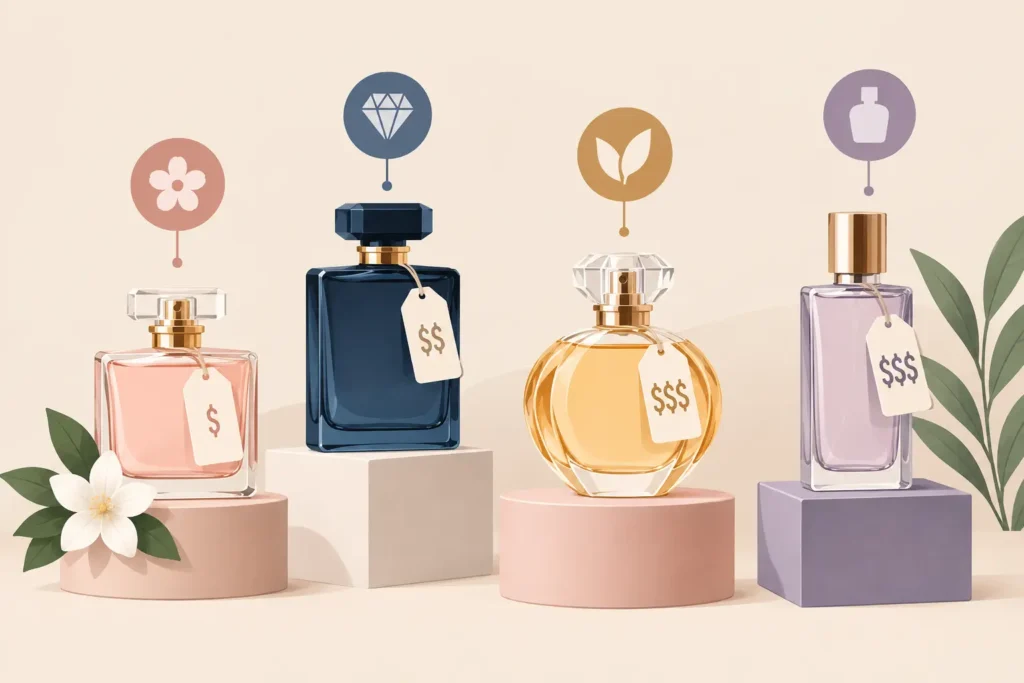
A fragrance can be a small daily ritual, a memory in motion, or the final detail that makes an entrance feel entirely your own. Yet two bottles with a similar size and scent profile can carry dramatically different price tags. Understanding why perfume prices vary helps you shop with confidence – and decide where a splurge truly serves your personal aromatic signature.
Price is not always a simple measure of whether a scent is “better.” It often reflects the materials, concentration, creative work, presentation, distribution, and retail path behind the bottle. A fresh citrus eau de toilette and a rich extrait may both be beautiful, but they are built for different experiences and budgets.
Why Perfume Prices Vary So Much
The cost of a fragrance begins long before it reaches a dresser, gift bag, or travel pouch. Perfumery combines artistry with chemistry, agriculture, manufacturing, branding, and global logistics. Each layer can shape the final price.
A designer fragrance from a recognizable house may cost more because you are paying for a carefully developed formula, quality control, distinctive bottle design, and the reputation earned by the brand over decades. With an iconic scent, part of the value is emotional: it has become a recognizable presence, associated with confidence, glamour, seduction, or a particular moment in life.
That does not mean a higher price guarantees it will become your favorite. Fragrance is deeply personal. The scent that feels unforgettable on one person may not suit another person’s skin, style, or occasion. Price offers clues about production and positioning, not a universal verdict on beauty.
The Ingredients Inside the Bottle
Raw materials are one of the clearest reasons perfume prices differ. Natural ingredients such as rose, jasmine, iris, sandalwood, oud, vanilla, and certain citrus oils can be labor-intensive to harvest, process, or source consistently. Weather, crop availability, regional regulations, and responsible sourcing can all affect what those materials cost.
Take rose as an example. Producing a small amount of true rose oil may require an enormous volume of petals. Iris can be even more demanding, as its rhizomes need years of maturation before they develop the powdery, elegant character perfumers prize. These materials are not automatically present in every premium fragrance, but when a formula uses them in meaningful amounts, they can raise production costs.
Synthetic aroma materials also have an important place in luxury perfumery. They can create effects that nature cannot provide reliably, improve longevity, and help preserve natural resources. “Synthetic” should not be mistaken for cheap or inferior. Some modern aroma molecules are highly refined, technically sophisticated, and essential to the luminous trail of beloved designer scents.
The difference is in the formula itself: how nuanced it is, how materials are balanced, and how the fragrance develops from first spray to dry-down.
Concentration Changes Both Wear and Value
The label on the bottle matters. Eau de toilette, eau de parfum, parfum, and intense versions generally contain different concentrations of fragrance oil, though there is no single legal percentage that every brand follows.
An eau de toilette often feels brighter and lighter, making it a natural choice for warm weather, workdays, or easy reapplication. Eau de parfum typically offers more depth and persistence. Parfum or extrait can feel especially rich and close to the skin, while an intense release may reinterpret the original with deeper woods, amber, spices, or sweeter notes.
Higher concentration can increase the cost per bottle because more perfume concentrate is used. Still, concentration alone does not tell the whole story. A well-made eau de toilette may project beautifully, while a dense parfum may be designed as an intimate scent rather than a room-filling one. Choose the format based on how you want it to live on your skin, not only on its price.
Creative Development Is Part of the Price
Before a fragrance earns a name, it can go through dozens or even hundreds of trials. Perfumers adjust top, heart, and base notes to make sure a scent opens beautifully, evolves with character, and retains its identity over time.
That process requires experienced perfumers, testing, safety assessments, stability checks, consumer research, and compliant production. A fragrance must remain consistent from batch to batch, whether it is a crisp cologne spray or a warm, sensual eau de parfum. For established houses, that reliability is part of the luxury promise.
Some fragrances also carry the cost of a more exclusive creative direction. A niche-style composition, unusual material, limited production run, or collaboration may have less volume to spread those development costs across. This can make the price higher even before packaging enters the picture.
The Bottle Is More Than a Container
A fragrance bottle is designed to be seen, held, sprayed, and remembered. Heavy glass, sculptural caps, custom metal details, engraving, colorful lacquer, and precisely engineered atomizers all add cost. The outer carton, protective inserts, and finishing details matter too, especially when the fragrance is intended as a gift.
There is a trade-off here. A spectacular bottle can make a vanity feel more personal and luxurious, but it does not always mean the juice inside will suit you better. If your priority is wearing a scent you love every day, a simple bottle from a trusted designer brand may offer more value than elaborate presentation.
For gifting, however, packaging can be part of the experience. Opening a beautifully finished fragrance can turn a birthday, anniversary, or holiday gesture into a lasting memory.
Brand Positioning, Marketing, and Distribution
Luxury fragrance is also a branded experience. Major fashion houses invest in visual campaigns, celebrity ambassadors, retail displays, sampling programs, and global launches. Those costs are often reflected in the suggested retail price.
Department stores traditionally add another layer of expense. Physical locations require rent, sales staff, inventory management, testers, and elaborate displays. None of that makes a fragrance less worthwhile, but it can affect what you pay at the counter.
Online retailers can sometimes offer genuine designer fragrances at lower prices because their business models are more efficient. Lower operating costs, direct ecommerce operations, and promotional purchasing can create room for meaningful savings without changing the fragrance itself.
This is where authenticity deserves your full attention. A discount is exciting only when the product is genuine and handled responsibly. Extremely low prices from unverified sellers, vague product photos, missing return details, or unclear seller information should give any fragrance shopper pause. Authenticity protects more than your purchase – it protects the scent experience you expected.
Why the Same Perfume Can Have Different Prices
It is common to see the same fragrance offered at different prices across retailers. Size is the most obvious explanation: a 1-ounce bottle and a 3.4-ounce bottle should not be compared by sticker price alone. Looking at cost per ounce provides a clearer picture, especially for a scent you know you will wear often.
The version matters, too. A classic eau de toilette, eau de parfum, intense flanker, gift set, refill, and limited-edition bottle may share a name while offering different formulas, sizes, or extras. Always confirm the concentration and fluid-ounce size before deciding which one is the better value.
Timing can make a real difference. Seasonal promotions, holiday offers, overstock opportunities, and retailer sales can lower the price of an authentic fragrance without signaling a problem. The key is to buy from a retailer that clearly stands behind its products, shipping process, and return policy.
How to Shop for Value, Not Just the Lowest Price
The best fragrance value is the bottle that fits your life and makes you want to reach for it. Start with the scent family you enjoy – perhaps clean citrus, romantic florals, warm amber, polished woods, or a confident aromatic blend. Then consider how often you will wear it, what concentration feels right, and whether a smaller bottle will let you explore without committing to a full-size format.
If you are buying a gift, think beyond the name on the box. A bold, woody fragrance may suit someone who likes a strong signature, while a soft floral or fresh designer classic can be a more versatile choice. Familiarity can be valuable when gifting, but so can choosing a scent that reflects the recipient’s character.
At Luxury Scents Co., the goal is not to make luxury feel out of reach. It is to make authentic designer fragrance a more confident, rewarding purchase through competitive savings and a straightforward shopping experience.
The right bottle is not defined by the highest price. It is the one that lingers in the air after you leave the room and feels unmistakably like you.